LumenGrid
Independent local providers Free connection requestsTell us about your project

Find the next step

Electrical Repairs & Troubleshooting

When something isn’t working, start with a clear description. Request a connection with an independent local provider to discuss your project.

Request a Connection

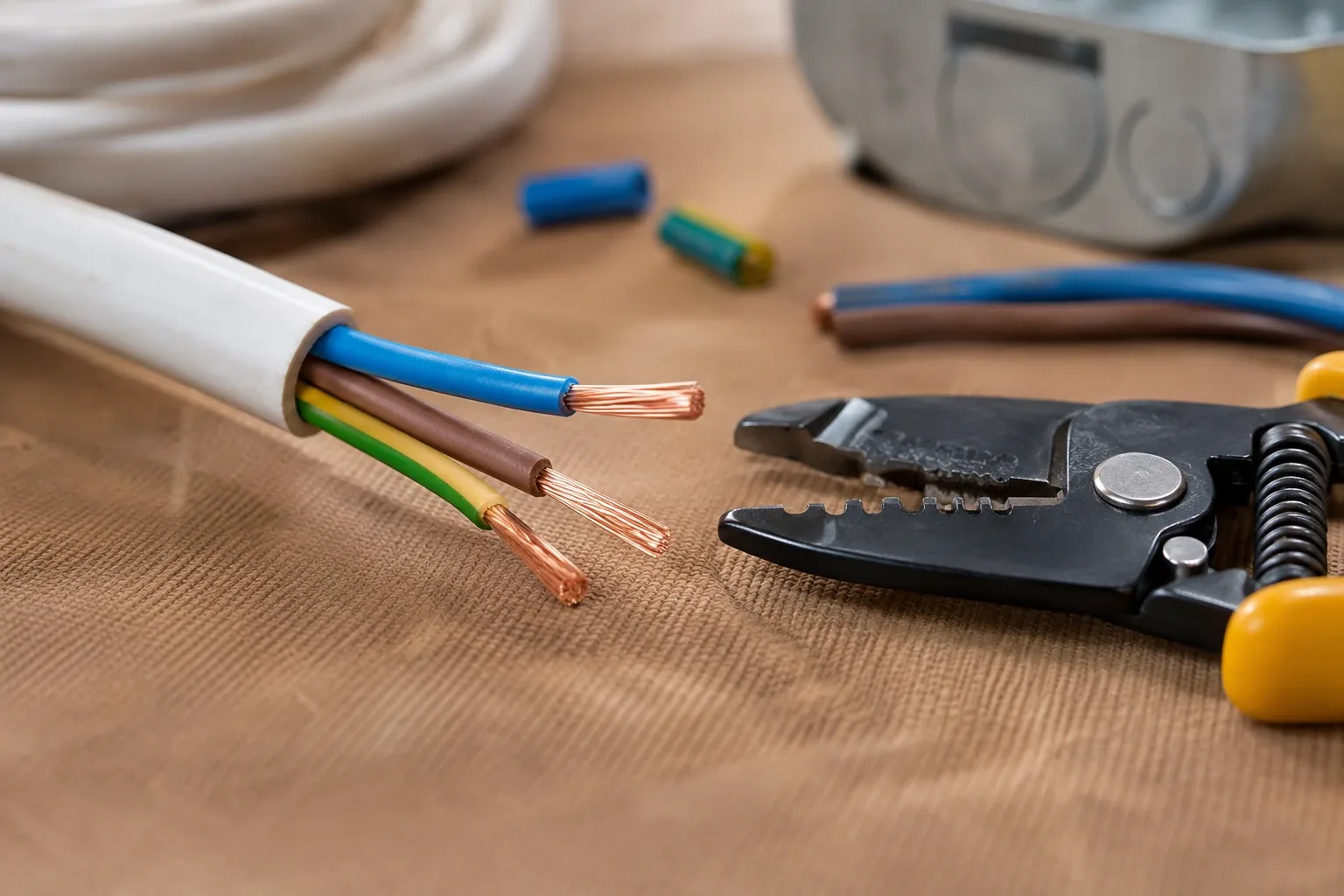
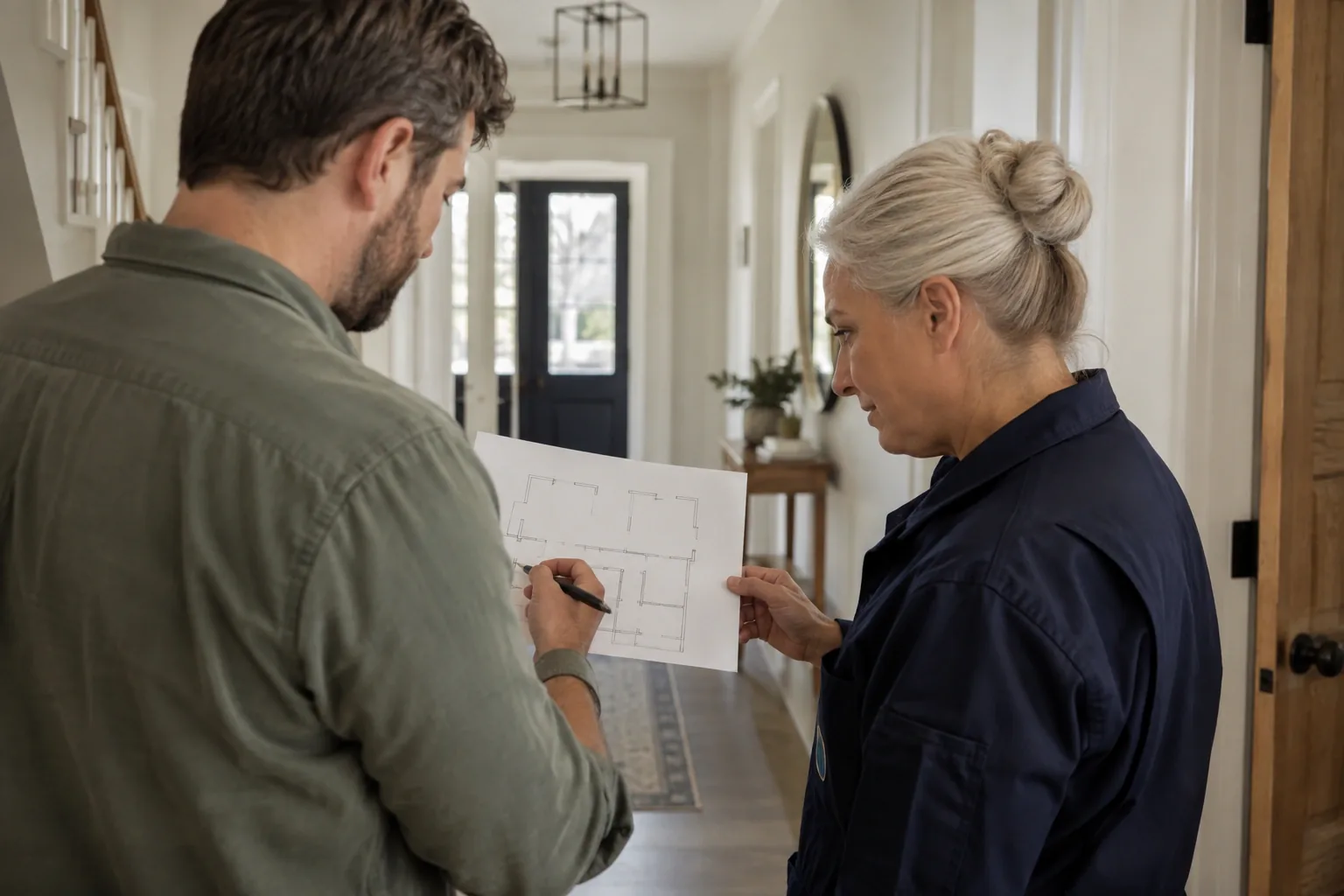
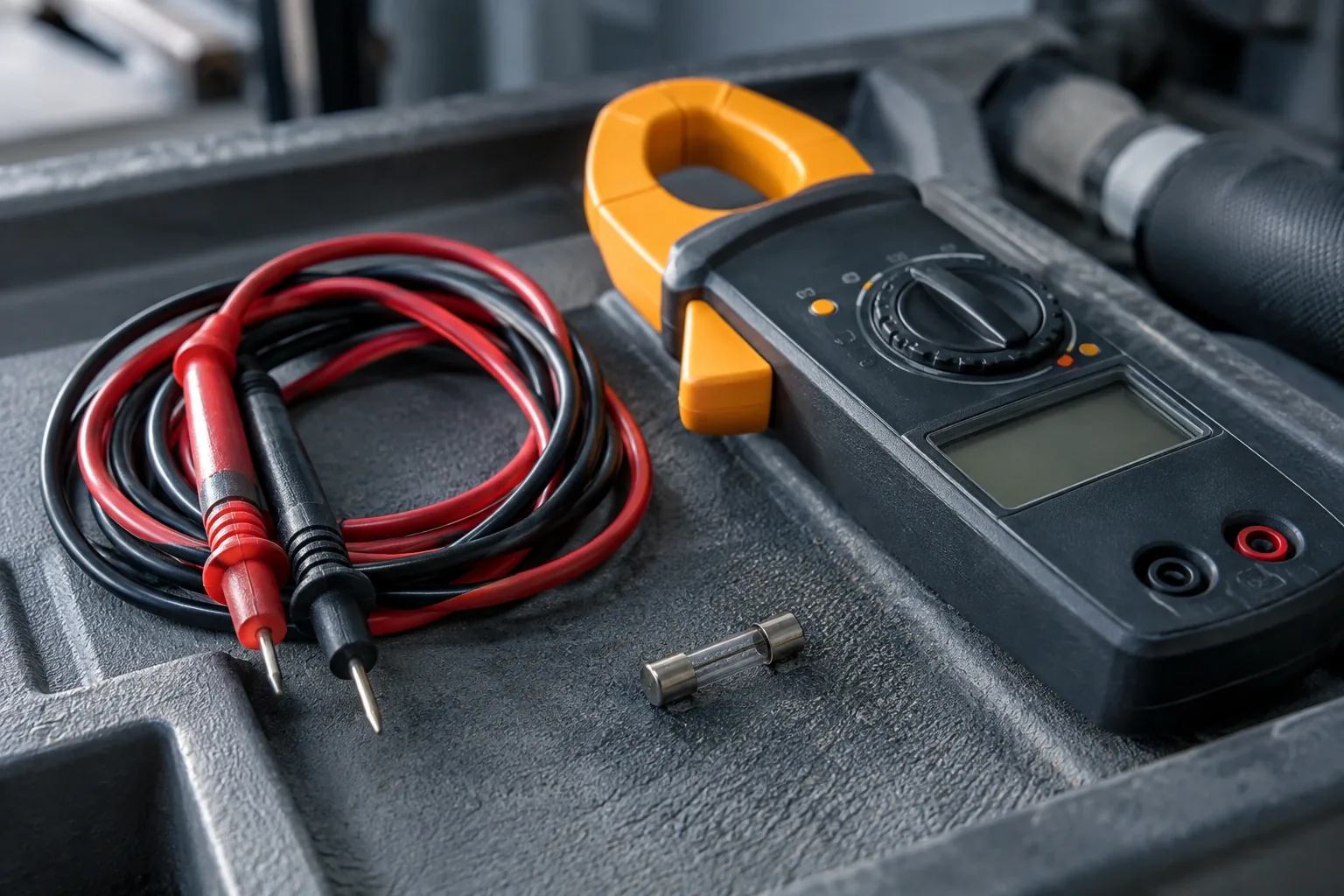
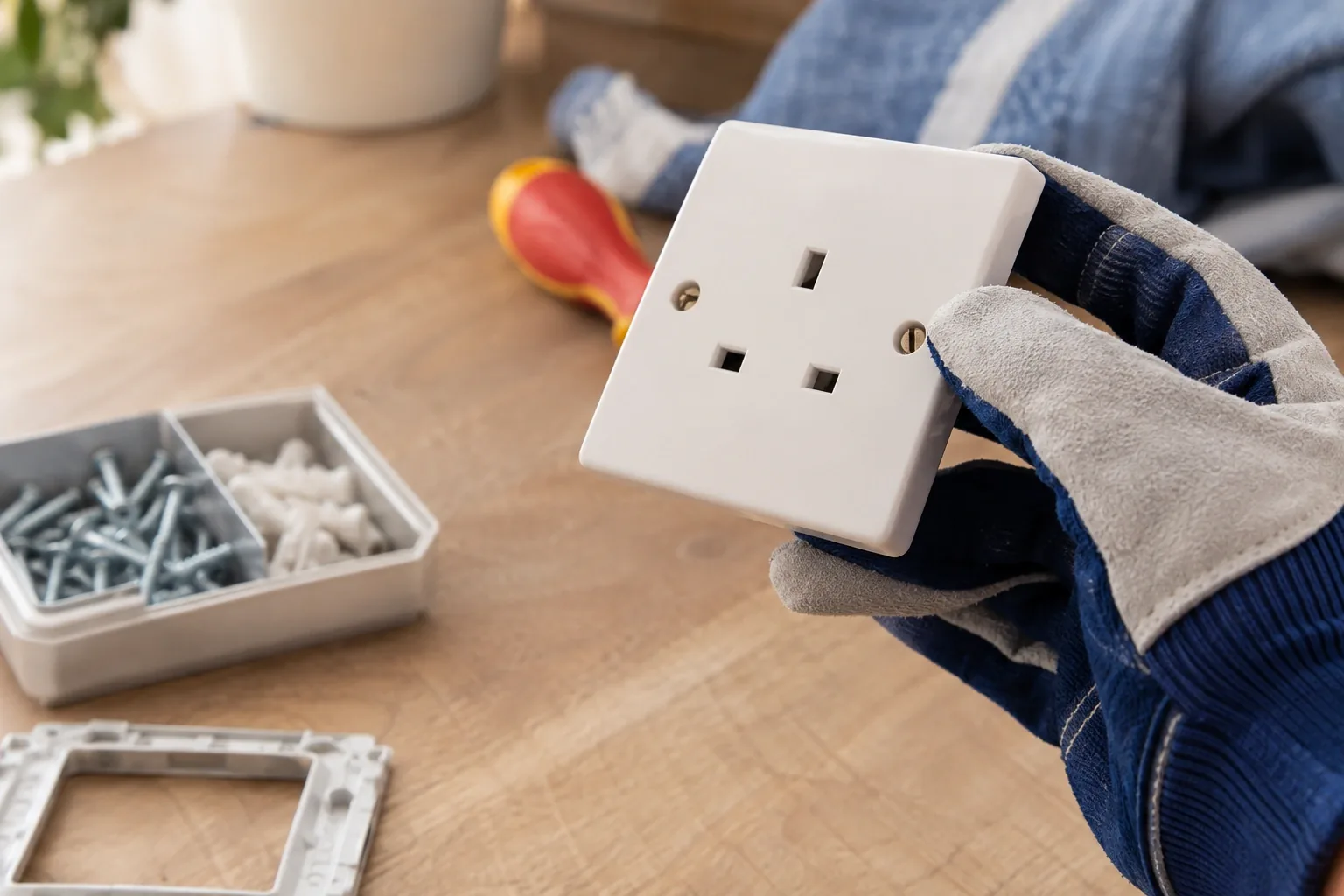
Illustrative photography. Availability, qualifications and pricing must be confirmed with the provider.

Illustrative technician model with a diagnostic case

What you can ask about

A little detail.
A better conversation.

Describe your needs in the form. A provider will need to assess the project before confirming the work and price.

01

Fault diagnosis

An issue may affect one fitting, several rooms or the whole property. Describe what you notice, when it began and whether it happens continuously or occasionally. You do not need to identify the cause before making an enquiry; an independent provider can discuss what assessment may be appropriate.
02

Circuit-breaker issues

Explain which areas lose power and whether the problem appears alongside a particular appliance or activity. Mention any recent changes to the property or its electrical equipment. A provider will need to assess the circumstances before recommending a repair or replacement.

03

Outlets & switches

Share the location, approximate age and visible condition of a fitting that needs attention. Note whether the issue affects a single outlet or several switches. Include any preferences for replacement finishes so a provider can discuss suitable options alongside the repair scope.

04

Flickering lights

Tell a provider which rooms and types of lights are affected, and whether the issue is occasional or persistent. Mention recent bulb, fitting or dimmer changes if you know about them. The enquiry starts a conversation about the symptoms; it is not a remote diagnosis.

05

General repair enquiries

If you are unsure which category fits, describe the problem in everyday language. Include the property type, affected area and any access arrangements. An independent provider can clarify the information needed and discuss whether a visit, further assessment or a different service is appropriate.

Your project in context

Help a provider understand what needs attention.

One room or fitting

A single light, switch or outlet can be the starting point. Describe its location and how its behaviour has changed.

An intermittent concern

A problem that comes and goes can be difficult to explain. A short timeline of what you have noticed helps make the enquiry clearer.

Several connected issues

If more than one room or fitting is affected, bring those observations into one request rather than guessing at separate causes.

Before you enquire

The details worth bringing together.

A useful repair enquiry explains the symptoms and the setting. Share what you already know; a professional assessment may still be needed.

Example project description
The ceiling lights in our dining room have been flickering occasionally for the past week. The other rooms seem unaffected. This is a two-bedroom flat, and we would like to discuss an assessment and possible next steps.
Illustrative wording to help you describe your own project.
  • What you noticed

    Describe the issue, where it occurs and when it first appeared.

  • The property

    Include your town or area, property type and the rooms affected.

  • Recent changes

    Mention recent fittings, appliances or renovation work, if relevant.

  • Access and timing

    Explain access restrictions and your preferred time to discuss the project.

Discussing the work

From the first assessment
to a clearer repair plan.

Repair projects can change once the cause of a problem is understood. Agreeing how assessment, recommendations and approval will work helps you make an informed decision at each stage.

01

Understand the assessment

Ask how the provider would approach the reported issue and what access they may need. An initial conversation can clarify the symptoms, but it may not establish the underlying cause. Confirm whether a visit or diagnostic work has a separate charge and what information you will receive afterwards.

02

Review the proposed solution

Once the issue has been assessed, ask for an explanation of the proposed repair in everyday language. Where more than one option is available, discuss the differences in scope, replacement parts and disruption. Confirm whether the proposal addresses the reported fault alone or includes other recommended improvements.

03

Agree changes before work continues

A provider may discover additional work during an assessment or repair. Decide who can approve a change and how an updated cost will be communicated. A written description of the agreed work helps distinguish the original request from any additional recommendations.

04

Keep a useful handover record

At completion, ask the provider to explain what was repaired or replaced, what checks were included and whether any follow-up work remains. Keep the invoice, agreed scope and any supplied product or workmanship information together so you have a clear reference if you need to contact them again.

Before agreeing a price

What can shape
a repair estimate?

Two similar symptoms can involve different work. These are useful points to clarify when comparing a provider’s proposal.

Diagnosis and visit charges

Confirm whether the price covers attendance, investigation and repair, or whether those are separate stages. Ask how the provider handles a visit where further assessment or parts are needed.

Parts and replacement choices

Availability, compatibility and the condition of existing fittings can affect the proposed solution. Ask who supplies the parts and whether a particular finish or product changes the estimate.

Access and making good

Explain restricted access, occupied rooms and any arrangements with a property manager. Confirm whether opening and restoring surfaces, moving furniture or removing old materials is included.

When comparing options, look at the written scope as well as the total. A proposal that includes assessment, parts and finishing work may cover more than one that lists a repair charge alone.

Illustrative electrical project setting

Your project starts here

Let’s talk about
what needs attention.

Start your enquiry

A request is not a booking. Connections depend on availability.

How it works

Your next step,
made simpler.

Four straightforward enquiry stages. No instant booking, no guaranteed match, no pressure.

Repair enquiries

A few questions,
before the next step.

Understand the enquiry process and what to discuss with an independent provider.

Do I need to know what caused the problem?

No. Explain what you have observed in plain language. A provider can ask follow-up questions and discuss whether an on-site assessment is needed before identifying a cause or proposing work.

Can I include several concerns in one enquiry?

Yes. List each affected room or fitting and briefly describe its symptoms. The provider can then discuss which concerns may be related and how to approach the assessment.

Will I receive a fixed repair price immediately?

The form does not calculate or guarantee a price. Diagnosis, access, parts and the extent of the work can affect an estimate. Ask the provider what is included, whether assessment has a separate charge and how additional work would be agreed.

What if a replacement is more appropriate than a repair?

Discuss the options with the provider after assessment. Ask about the proposed fitting, compatibility with the existing setup, finish, cost and the scope of any associated work before deciding.

Can a tenant submit a request?

You can describe the concern and your role at the property. Explain any landlord or managing-agent arrangements. Confirm who can authorise access, approve work and agree payment before proceeding with a provider.

Does submitting the form book a repair visit?

No. It creates a connection request. A provider match, response or visit is not guaranteed. Availability, appointment times, qualifications, scope and pricing must be confirmed directly with the independent provider.